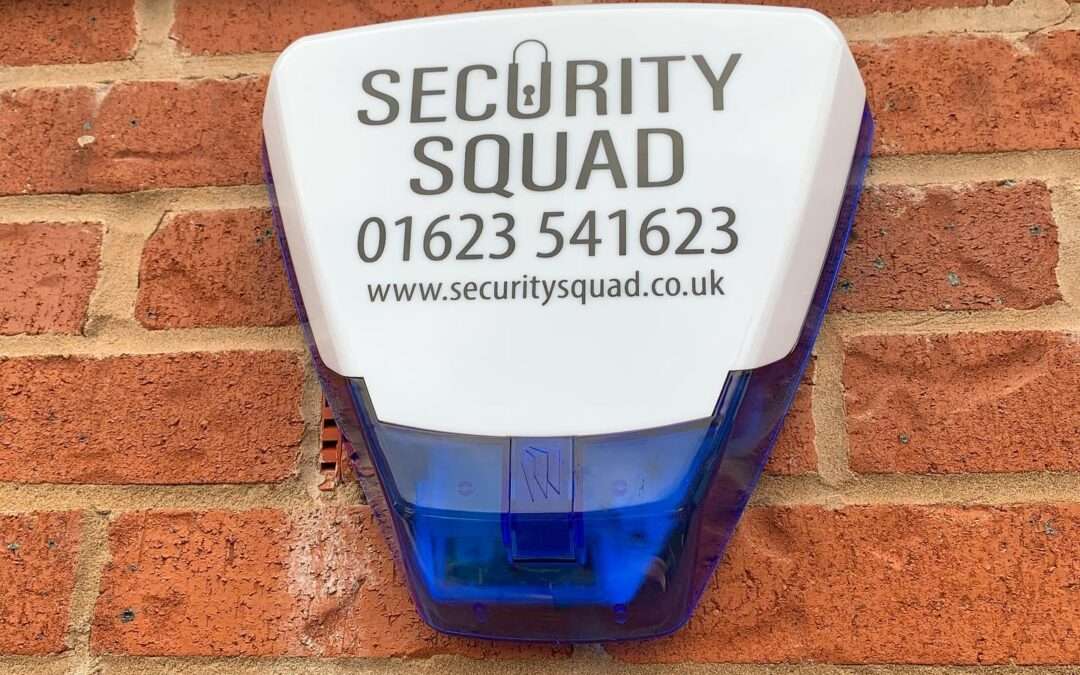
Security Squad Mansfield Ceases Trading

Security Squad Mansfield Ceases Trading

Security Squad Mansfield Ceases Trading

Mint Security Systems steps up to help former customers of Security Squad Mansfield

If you were a customer of Security Squad Ltd. in Mansfield, you may have recently discovered they have ceased trading.

If you’re now wondering who can provide your security system repairs or burglar alarm and CCTV maintenance in Mansfield, then we can help!

Mint Security systems is a Notts based security company, and we’re on hand to maintain and repair intruder alarms and CCTV systems in the Mansfield area.

We’re NSI silver accredited, and have been in continuous business for over 15 years – so our experienced team are able to solve any security problems quickly and efficiently.

Our security engineers are based around the Mansfield area too, so we’re never far away should you need us in an emergency.

Security Squad Mansfield offered their customers a range of security solutions, which we can provide full support for. These include-

Annual Security App Renewals
If you took out a subscription to a security app when you were a customer of Security Squad Mansfield, we can help with the renewal process. This will ensure your apps are up to date, maximising your protection.

Fault Fixing and Alarm Servicing
If you have a security system problem our skilled technicians are on-hand to fix it. We’re trusted by hundreds of customers both in Mansfield, Nottinghamshire and beyond, to keep their intruder alarms and CCTV in tip-top condition.

Professional CCTV support
As well as installing cutting edge CCTV cameras, we also provide CCTV repair and maintenance. If you need help with any aspect of your CCTV system, Mint Security Systems can help.

CCTV APPs
If you have and existing CCTV system installed by Security Squad and having problems loading the camera images on your smartphone please get in touch as we can help resolve this issue. 

Mint Security systems are a family business that’s based in the local area. We’re known for our expertise and our exceptional customer service. If you were a Security Squad Mansfield customer and need help with your security systems, get in touch today.

Call 01623 858 988 or email [email protected] and see how we can help.

Car defender

Security solutions to keep your car safe

Security solutions to keep your car safe

Security solutions to keep your car safe

Prevent Vehicle Theft: Protect Your Car

Send car thieves packing with these simple and effective tips.

Car theft is a persistent issue in the UK. Data from the ONS and Aviva shows a reported 123,000 car crimes per year, or on average 337 per day. This is a 29% increase year on year.

Here are some top tips to help keep your car safe, how to avoid keyless car theft and how Car Defender, a new vehicle security device from Pyronix can stop car thieves in their tracks.

Leave it Locked

The first step to keeping your car safe is to leave it locked. It is a simple mistake, but according to statistics from Neighbourhood Watch, 44% of cars are broken into via an unlocked door. Double-checking to make sure your car is locked when you leave it is essential.

Also worth noting is that 80% of car crimes occur during the evening or at night, so parking near street lamps or in a busy area can help deter thieves. Finally, always leave your car empty. Owners often forget that personal belongings within the car are at as much risk of being stolen as the car itself.

Keyless Car Theft

A more recent method used by car thieves is keyless car theft, also known as relay theft. Using a relay amplifier and a relay transmitter, thieves detect whether a car has keyless entry and use this technology to unlock the doors and drive the car away. The whole process can take as little as 60 seconds and is carried out in near silence. It’s no surprise, according to the insurer Aviva, that owners of keyless vehicles are twice as likely to make a theft claim as those with non-keyless cars.

Ways to combat it

To avoid keyless car theft, remember the following: Distance, Signal and Steering Wheel. Firstly, keep keys a safe distance from the car. Secondly, consider ways to block the signal that your key transmits, either by storing your car keys in a Faraday Pouch or switching off the key if possible. The final method is to secure the vehicle using a steering wheel lock or other physical security device such as a wheel clamp or driveway parking post.

CarDefender

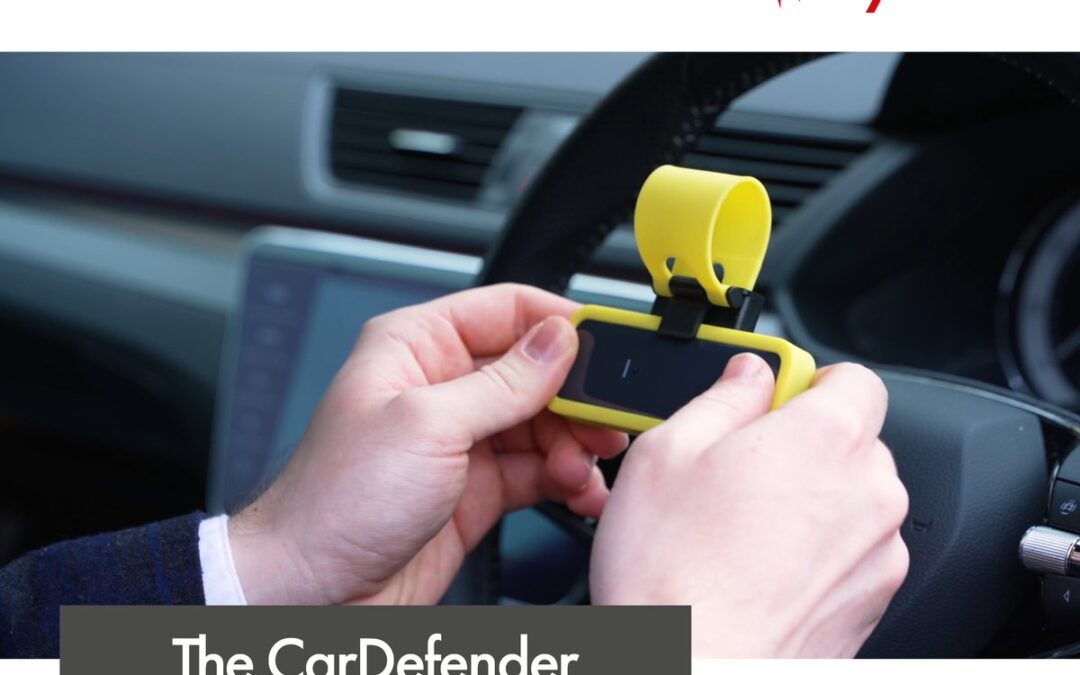
To combat these growing issues, Pyronix have developed and launched CarDefender. It’s a wireless device that protects your car when it’s in close proximity to your home, connecting to your home security system. In the event of an attempted theft, the house alarm is triggered, allowing users to take immediate action.

CarDefender consists of a three-axis accelerometer, which can be attached to your vehicle and configured to detect shocks, movement or a combination of both. In a situation where an intruder hits your vehicle, the CarDefender’s shock detection would trigger your home security alarm. If the thief tries to move your cars steering wheel when CarDefender is attached to it, the devices tilt detection would again trigger the alarm.

Visible Deterrent

Car Defender comes with a bright yellow silicone rubber mount, allowing users to strap it to the vehicle’s steering wheel. This acts as a visible deterrent to thieves in a similar way to a steering wheel lock but CarDefender can be attached much more quickly and is small enough to be stored in a vehicle’s glove box. Alternatively, it can be attached to any part of the vehicle using using 3M adhesive tape. An example of this could be attaching the device to the door of a van to combat tool theft.

Other Uses

While CarDefender isn’t IP rated, it’s PCB is conformally coated so it can be used in changeable environments. This makes it ideal for motorbikes, trailers and caravans too.

Automatic Connections

Because CarDefender has been designed to secure vehicles when they’re in the immediate vicinity of your home, it is able to automatically connect to your home security system when your car travels into range. After five minutes, CarDefender automatically reactivates detection. Users can also reactivate it manually by pressing the B2H (Back 2 Home) button which is the recommended method.

Taking steps to protect your vehicle from theft can save you a lot of time, money
and stress. Find out more about CarDefender or any of our other security
systems by calling 01246 888 444 or email [email protected]

Car defender

Celebrating the launch of our new Dahua CCTV Demonstration Suite

Celebrating the launch of our new Dahua CCTV Demonstration Suite

Celebrating the launch of our new Dahua CCTV Demonstration Suite

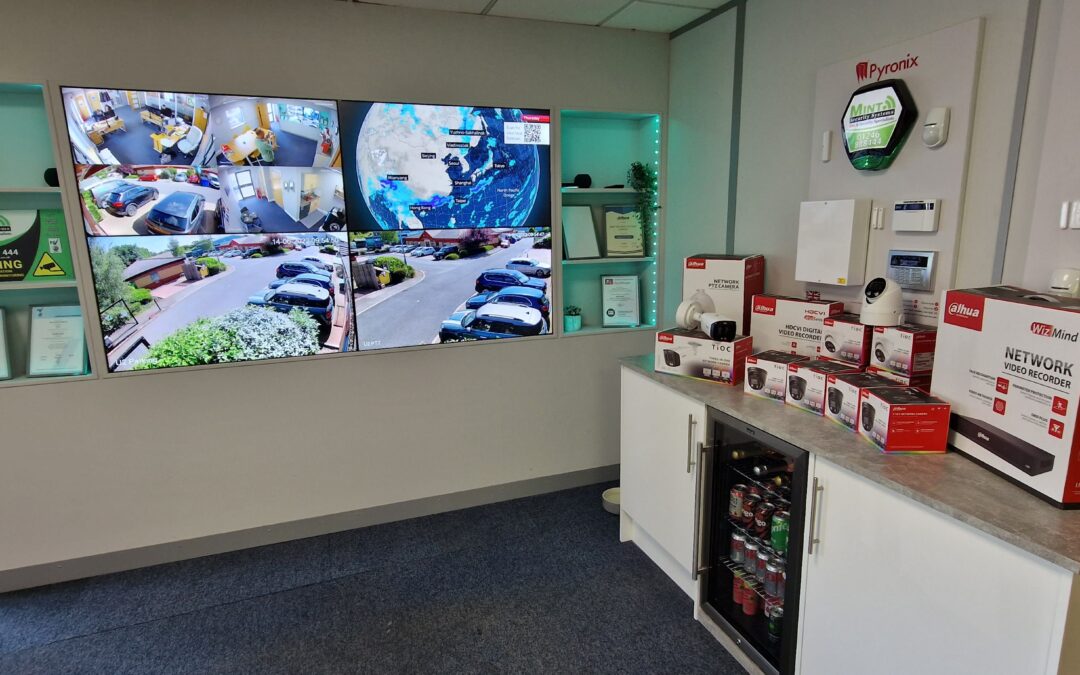
Mint Security Solutions launches £30,000 CCTV Demonstration Suite in Worksop. 

Letting customers get hands on with state-of-the-art security solutions.

Choosing the best security system for your home or business can be daunting. Mint Security Solutions can now offer customers the chance to get hands on with the latest security equipment in a new state-of-the-art demonstration suite.

With so many CCTV cameras and other types of security equipment available, how do you know which is the right choice for you?

In most cases, you rely on a specialist security company like Mint to suggest the best home or business security solution for your situation. But without seeing the equipment in action, it can be hard to appreciate why we recommend particular CCTV cameras or security equipment, and quite often, the first time a customer gets to see how good the products are, is when they’re fully installed and the CCTV images appear on your smartphone or on a Digital Video Recorder (DVR).

At Mint, we’re always looking for ways to make things better for our customers, and we thought it would be a great help if they were able to see the quality and capabilities of the CCTV solutions we provide, before making the final decision for their home or business.

After discussions with Mast Digital (the authorised, tier-1 Dahua distributor), Dahua UK offered to provide us with over £25,000 of security equipment for use in a new demonstration suite, that we would build at our offices in Worksop.

Included in the suite are….

  • Four Dahua 49” Full HD Monitors
  • One Dahua video matrix
  • A 16 channel Dahua NVR (Network Video Recorder)
  • TIOC Active Deterrent Cameras
  • Dahua Hubble PTZ Camera (Pan Tilt Zoom)

As one of only a handful of Dahua demonstration suites across the whole of the UK, we’re extremely proud that Dahua UK and Mast Digital chose to support Mint in the creation of our new suite and we’re extremely grateful for their huge investment in the security equipment on display.

Our central location means customers across Derbyshire, Nottinghamshire and South Yorkshire can now get up close to the latest security equipment and see how it could benefit their business or improve their home security.

To get a glimpse of how we went about building it, take a look at the time-lapse video below and if you’re considering upgrading the security of your business or home, we’d love you to come and see it for yourself.

To book an appointment, get in touch on 01246 888 444 or email
[email protected]

Pet Friendly Burglar Alarms

Pet Friendly Burglar Alarms

Pet Friendly Burglar Alarms

How can you keep your home secure with pets in the house?

It is well known that the UK is a nation of animal lovers, but since the start of the pandemic, pet ownership has soared! Now, 59% of UK households own a pet, with the most popular choices being dogs and cats.

There are many benefits to owning a pet, but it can create some additional considerations when it comes to maintaining your home security.

Take for example, a standard burglar alarm that uses passive infra-red sensors (abbreviated to PIR sensors) to detect the heat given off by a moving object or person. When an object such as a person passes through the sensor’s field of view, the amount of infra-red radiation it detects changes from room temperature to body temperature and back again, causing the sensor to trigger the intruder alarm. Whilst this is exactly what’s needed to detect intruders, it will also trigger the alarm if your household pet wanders past. Not ideal.

So can you have an effective intruder alarm fitted if you own a pet? The answer is of course yes, and we can help you find the right system to meet your needs.

At Mint Security we supply and install a range of pet-friendly alarm systems that will keep your home safe and secure, while minimising the risk of false alarms.

One of the ways we do this is to use pet-friendly PIR sensors. These work by assessing the size and shape of the moving object, to determine whether it’s an intruder or a household pet. Our sensors are effective for pets weighing up to 20kg which makes them ideal for homes with cats or small to medium sized dogs. With pet-friendly PIR sensors, if an object moving in the sensor’s field of view weighs less than 20kg, the alarm won’t be triggered and a false alarm will be avoided.

We also supply sensors that are designed to ignore movement near ground level, below 2ft high. These are a great choice if you have dogs and cats, but aren’t a good choice if the pet can climb up on to furniture such as sofas or tables, as this will take them above the height threshold and trigger the alarm.

But what if you have a larger pet that weighs more than 20kg or a pet that can fly or climb above the height threshold? Can you still have a burglar alarm even with these kinds of pet around? Absolutely!

In cases where a PIR sensor can’t be used when your pet is in the house, additional sensor technologies can be installed that focus on protecting the perimeter of your property. Examples of these include shock detectors on windows and door sensors that trigger an alarm if the door is opened.

Another good option for households with pets is to choose a smart burglar alarm and combine it with a CCTV system that’s viewable from your smartphone. The smart intruder alarm will automatically send a notification to your phone when an alarm is activated which you can then check by viewing your CCTV cameras (again from your phone), allowing you to see if the alarm is a genuine activation or a false alarm caused by a pet.

Whatever your situation, or pet, we can advise you on the best solution to protect your home and valuables. Whether it’s pet-immune PIRs, perimeter protection technology, CCTV or a combination of all of these, we can design and install the perfect solution for you and your furry friends!

If you need any support with a burglar alarm for your home, get in touch. We’re experts in all kinds of intruder alarm systems, and can guide you from initial planning and design through to installation and maintenance. Call us on 01246 888 444 or email [email protected]

How To – Prevent CCTV System Hacking

How To – Prevent CCTV System Hacking

How To – Prevent CCTV System Hacking

Find out how you can keep your CCTV system safe

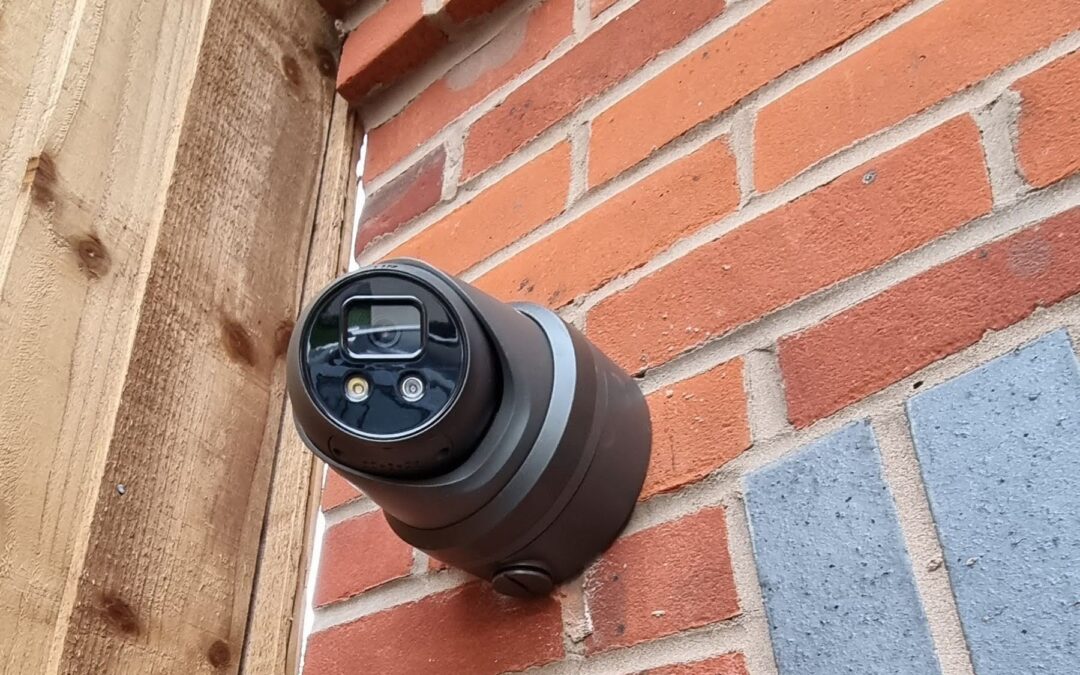
Installing a CCTV system is a great idea for making your home more secure. But with many CCTV systems offering access via the internet or through your smartphone, they can be a target for hackers.

A hacker is someone who uses computers to gain unauthorized access to data. In the case of your CCTV system, this data would be the images your CCTV cameras capture.

So how do they gain access? Every device that’s connected to the internet has an address called an IP address (IP stands for Internet Protocol in this context). It’s these IP addresses that allow your smartphone or computer to connect to your CCTV cameras wherever you are in the world.

What the hacker does is use software or websites to trawl the internet looking for the IP addresses of CCTV cameras. Once they find one, there are a number of ways they can then try and gain access. The easiest is when the default username and password used to log in to the camera hasn’t been changed.

All the hacker has to do is use software to determine the model of your CCTV camera, type in that model’s default username and password and they will then have full access to your camera.

So the first step to securing your CCTV system is ALWAYS change the username and password.

The next thing a hacker could try is to exploit a vulnerability in a CCTV camera’s firmware. Firmware is the computer code that is stored in the camera’s memory and tells it how to operate. If hackers discover there is a flaw in this coding, they can use it to gain access to your system.

Because of this, CCTV camera manufacturers work constantly to make sure their camera’s firmware is as secure as possible. As soon as they become aware of a situation like this, they will produce a ‘patch’ to seal off the vulnerability. They will then instruct users to update their firmware to the new ‘patched’ version.

The problem with this is lots of CCTV owners don’t update their camera firmware regularly. If a camera is still using old firmware that has a vulnerability, hackers can continue using it to access the camera.

So the second step to securing your CCTV system is ALWAYS keep your CCTV camera’s firmware up to date.

So you’ve changed your username and passwords and your CCTV camera firmware is up to date. All sorted right? Not quite.

Another way a hacker can gain access is to use a Brute Force attack. This is where a hacker guesses different combinations of username and password to try to find the right one. Now, if the password is 8 characters long and you were to do this manually, it would take thousands of years to find the right one. However, using computers to make millions of guesses per second, a hacker could crack an 8 character password in a matter of minutes.

The moral of this story is to use longer passwords. If you avoid common words and use a combination of upper and lower-case letters, numbers and symbols, a 12 character password would take a computer many years to crack, rather than minutes.

It’s also worth saying that hackers probably aren’t going to devote huge amounts of resources to crack a long complex password, just so they can get a view of your driveway. In most situations, a hacker is looking for low-hanging fruit – insecure systems that use old firmware or the default username and password. However, if you want to make your system as a secure as possible, long passwords are the way to go.

The final step is to secure your WiFi. If your CCTV cameras are connected via WiFi and a hacker gains access to your wireless internet network, they could also access your camera feed. To avoid this possibility, make sure your wifi password is as strong as possible (see previously).

At Mint Security, we install CCTV cameras that are the latest models from reputable manufacturers. We will make sure your system is using the most up to date firmware and go through the setup procedure with you to make sure you can choose a username and password that’s extremely difficult for a hacker to crack. As an NSI Silver accredited company, we are assessed every year to make sure our work meets the highest standard. To see the difference Mint can make to your home security, get in touch today on 01246 888 444 or email [email protected]


CCTV and Data Compliance

CCTV and Data Compliance

CCTV and Data Compliance

How UK data protection laws affect you and your security system.

Deciding what is the best CCTV system for your home can involve all sorts of considerations, but would you give any thought to data protection?

Most people think about the number of cameras they need, where they’ll be positioned for maximum coverage and details like system
specifications for example ultra-HD cameras, night vision, and
smartphone app control. It’s fair to say, most people don’t think about data protection.

The UK Data Protection Act 2018 specifies how businesses and individuals process and manage any data they gather – and you might not realise it but a domestic CCTV system regularly captures people’s personal data.

Images of visitors to your home, delivery drivers, family members coming and going, and many other people will be captured by your CCTV cameras. These are all examples of personal data that could fall within the Data Protection Act.

Fortunately, data protection laws do not apply to home CCTV systems that only capture images within the boundaries of your property.
But if your CCTV cameras cover public spaces such as roads and
pavements, or spaces shared with others, for example driveways, gardens and parking areas, the issue becomes more complicated.

Although you may see it as a benefit to have a security camera capturing the comings and goings on your street, this could be considered an invasion of privacy for other users of this space and as such, fall within the Data Protection Act.

If you fail to comply with regulations set out in the Data Protection Act, you could be fined by the Information Commissioners Office (ICO). An individuals whose privacy has been infringed, could also take legal action against you and claim compensation.

So what’s the easiest way to avoid these risks?

Position your CCTV cameras so they only capture images within the
boundaries of your property. In most cases, this will provide the security needed to protect your home from intruders or unwanted visitors, steering clear of any privacy issues.

In some situations, CCTV will need to capture public or shared spaces in order to secure your home. If that’s the case, the following tips will help reduce the risk of enforcement action being taken:

– Do you have clear and justifiable reasons for capturing images outside your property boundary? If asked, you need to be able to explain these reasons to the ICO or an individual, so write them down now.

– Make sure people know they are being recorded. Put up clear signage explaining that CCTV recording is taking place.

– Make sure any CCTV recordings are saved securely so that no one can watch it without good reason.

– Only keep footage for as long as needed and delete older CCTV
recordings regularly. Maintain a record of how long images are kept and why.

– Ensure the CCTV system is only used for the clear and justifiable reasons you initially outlined. Explain to family members and others who could have access to the system that it shouldn’t be misused.

– Do not release any footage to third parties, except the Police and other authorities when using the footage for investigation following a crime.

Alongside this, you must also maintain data protection for any people
recorded by your CCTV cameras. These people have a right to access any images of them that you hold. If they make a subject access request, either verbally or in writing, you must give them a copy of any footage within one month.

You must also delete any footage of people who request it, unless the
footage is needed for an ongoing legal dispute. In this case, you must
explain why it can’t be deleted and that they can challenge this decision in court or complain to the ICO.

If an individual objects to you capturing any more images of them on your CCTV system, you should consider very carefully why it is necessary to record images outside your property’s boundary, especially if it captures images of a neighbour’s home or garden.

To reduce the risk of these kind of situations occurring, it’s a good idea to speak to your neighbours before installing CCTV that captures images outside your property’s boundary. You could also show your neighbours the kind of footage you are capturing to allay any fears or concerns they may have.

Remember, this guidance also applies to devices such as video cameras fitted to doorbells.

If you need any support with CCTV for your home, get in touch. We’re
experts in CCTV system design, installation and maintenance. Call on
01246 888 444 or email [email protected]

.