Do I need to have my alarm system serviced?

Do I need to have my alarm system serviced?

Do I need to have my alarm system serviced?

Fitting a burglar alarm system is a great way of helping to add an extra layer of security to your home or business, but when poorly maintained you could find your system fails you exactly when you need it most. This is why it’s vital to know more about alarm servicing – how, when and why it’s so important.

Reasons to service your burglar alarm
Like any other piece of techie kit, your burglar alarm system is made of a complex series of components which need checking regularly to ensure they remain fully operational. If one aspect of your alarm system fails, the rest could follow – but many problems are easily fixed when detected early. As a key aspect of your security system, never underestimate the importance of keeping your alarm serviced and in a good state of repair.

How to service burglar alarms
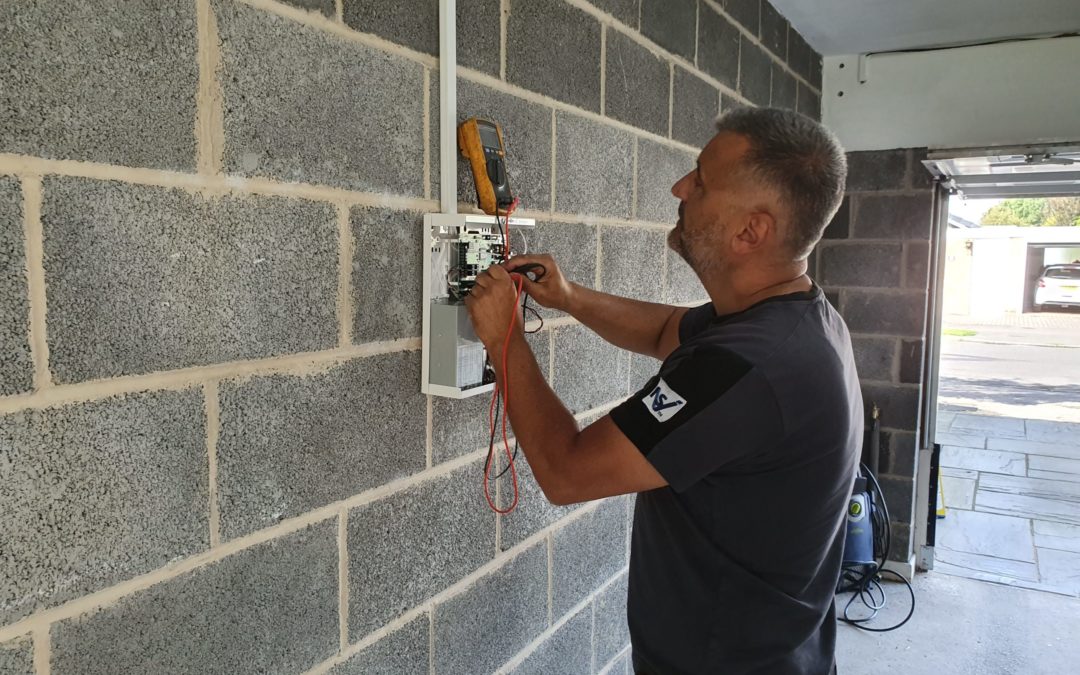
It’s very important not to try and go it alone when it comes time to service your alarm system. Security professionals will have the skills and tools to get your system back up-and-running if faulty and check for problems areas before they occur – but this is undoubtedly a specialist task calling for specific skills. The most common cause of burglar alarm failure is simply that the battery has not been replaced for a long time, but professionals will be able to check not only the battery but fuses and circuits. If you try and
fix these things yourself, you could accidentally damage the detectors or control panel leaving your system broke beyond repair.

When to service your burglar alarm
Generally speaking, an annual service of your alarm system will be sufficient, but you should service alarms twice yearly if they also include a police-approved monitoring element. Also check with your insurance company as they may impose special servicing requirements. Batteries deplete within a couple of years, and problems such as spiders and corrosion can wreak havoc with your alarm if not caught in time. Not only will these problems be costlier to fix when left until later – but could leave your alarm system ineffective at preventing burglaries. If your alarm stops working, your property is at risk, so these annual or bi-annual checks are essential. Contact us to schedule your intruder alarm servicing
appointment.

Components of an alarm maintenance appointment
A reputable servicing company will thoroughly examine all aspects of your alarm system to ensure they meet both the exacting British Standards of safety, and the National Security Inspectorate (NSI). This make selecting an NSI-approved servicing company such as Mint Security essential. The alarm will be checked to ensure both individual components and the alarm are functioning properly – and provide suggestions as to how best preserve the life of your alarm. If problems are detected during the maintenance session, they will probably be fixable on the spot, or if not you should be informed of how they will be fixed, and the cost – so your home or business will be fully protected again as quickly as possible. At the end of the service, you should be provided with a full report on the current status of your alarm and any/all repairs which have taken place.
Why do security systems give false alarms?

Why do security systems give false alarms?

Why do security systems give false alarms?

While intruder alarms can act as a fantastic deterrent to burglars, if they are constantly giving false alarms, this effectiveness is significantly depleted. Where first an alarm going off grabs attention and causes people to react to the emergency, if this is a frequent occurrence it will not only irritate you and those around you, but cause everyone within hearing distance to know that your alarm is not necessarily a sign of intrusion. But why do security systems provide false alarms?

Poor maintenance:
Every security system needs to undergo regular maintenance. Depending on the system you have chosen, this could mean an annual or even bi-yearly check. This ensures everything is functioning as it should and can identify reasons for false alarms and prevent them happening again. Failure to do this inevitably leads to decline in the quality of your security system – and can create lots of problems. Key indicators that your security system is in need of a check include the alarm going off every time there is any form of power failure, and outdated batteries. In general, an alarm system’s battery backup will only last for approximately five years and the batteries in the wireless detectors last around 2 years – so there is no time to waste in replacing them and taking the opportunity to undergo a complete maintenance check, identifying other issues before they become more serious and long-lasting faults.

Improper installation:
It is worth considering whether the system you have fitted is suited to your property if you constantly find the security system provides false alarms. There are many factors which should be taken into consideration pre-install, which is why it is often preferable to contact a security professional and ask for guidance prior to settling on a type of system. Everything from the temperature of the room, to the risk drafts causing movement, and even whether you have pets which might trigger an alarm system’s PIR sensors must all be noted and dealt with before you end up paying the price of poor installation later on. Always ensure you have an approved security engineer on-hand and if you have bought security kit yourself, be sure to get it installed by someone with the skills to get it right first time.

Keyholder Error:
Ensure that all keyholders setting and unsetting your intruder alarm are fully trained in its operation such as entry route, codes and locations of detectors. The key factor is to ensure burglars have no reason to believe your alarm system will be ignored if it is set off, and that your alarm is always active when you leave the property so when neighbours hear your alarm sound they are more likely to contact the Police.

If you choose to install an alarm, it’s important to look after it – as poor maintenance, bad installation and failure to prevent false alarms will all weaken its effectiveness and cause this potentially valuable tech to falter.

Always use an approved installer to ensure a quality installation.

Choosing your Home CCTV – Professionally Installed or DIY?

Choosing your Home CCTV – Professionally Installed or DIY?

Choosing your Home CCTV – Professionally Installed or DIY?

Choosing whether to go for a DIY CCTV system or opt for a professional installation is one of the key factors to consider before purchasing new security kit. Each approach has its advantages and major drawbacks, which we’ll explore in this article to help you make the right choice for your needs.

Pros of DIY-Installation:

  • Flexible installation schedule

Without the need to select and book an installer, you are free to choose your own installation schedule, meaning you can slot installing your new CCTV system into a time and date which suits you. This may hold great appeal for anyone with a strict working schedule or unable to commit to a specific date and time in advance.

  • Budget-friendly option

Setting up your own CCTV is likely to be a more cost-effective option than paying for a professional installer. This could prove to be a false economy however if you choose cheap equipment which doesn’t do the job or don’t have the expertise to install your home CCTV system correctly.

Cons of DIY-Installation:

  • No professional guidance

An experienced installer will be able to advise on the best place to position your CCTV cameras for optimum protection. Without this insight you might falter when it comes to choosing the right location – the danger is that vulnerable areas may not be covered or the recording angles compromised.

  • More work for you

Instead of being able to relax and trust your installation to the experts, choosing the DIY route means there’s much more pressure on you to get it right. If something goes wrong, you could even break your CCTV system– and spend hours trying to find a suitable fix.

Pros of Professional Installation:

  • Peace of mind

Calling in the professionals to install your home CCTV system means you’ll have total peace of mind that it’s being done right. The equipment and installation will likely be guaranteed, you’ll probably get a good deal on maintenance to keep your security cameras in working order and you’ll have an expert to turn to should anything break down.

  • A reliable installer

Even the most confident DIY installer is likely to have less technical skill when it comes to ensuring your CCTV system is set up in the right location and in the right way for your property. Having an installer who knows what they’re doing on-site allows you the chance to ask any questions you might have – and gain more valuable answers than you’re apt to find in an instruction manual.

  • Remove the DIY burden

While your security kit is being installed by a professional, you can simply go about your day – without having to worry something might go wrong.

Cons of Professional Installation:

  • Upfront costs

There’s no denying you’ll have to pay for your installation – so be sure to check costs before deciding on an installer.

  • Less flexibility

To book a professional installer, you’ll have to choose the right time for them to visit. This means a little less flexibility with your installation schedule – but will give you the peace of mind of knowing the task has been completed to a superior standard.

How to Complete a Fire Risk Assessment

How to Complete a Fire Risk Assessment

How to Complete a Fire Risk Assessment

If you own a business, it is your responsibility to ensure that a Fire Risk Assessment is completed. This is basically a review of your business premises, assessing for any potential fire risks and providing any possible alterations to make the building safer, if necessary.

It is of paramount importance that you follow the correct procedures and processes to ensure that your members of staff and your business premises are kept safe from harm, and that you comply with all relevant fire regulations and legislation.

It is absolutely vital that your Fire Risk Assessment is documented if you have more than four employees, the premises require a license or the fire brigade has issued an alterations notice telling you to do so. It is, however, recommended that all businesses write the Fire Risk Assessment down for reference, regardless of size. This document should be reviewed regularly and all findings and any action that is to be taken recorded.

Requirements for a fire risk assessment

Your fire risk assessment can be carried out by your designated ‘responsible person’ or a professional fire risk assessor.

Anyone who does carry out a fire risk assessment is responsible for the safety of the business and must be able to identify potential fire hazards within the premises. They should also identify any people at risk, such as the elderly or disabled. There must be processes in place to ensure these people know what to do and where to go in the event of a fire.

The fire risk assessor must also assess the fire safety measures currently in place within the business, such as fire alarms and extinguishers. They will also need to assess the management of safety within the business, such as staff health and safety training, emergency routes and fire drills.

Requirements for the responsible person or risk assessor

The person carrying out the fire risk assessment must also record all the significant findings, put a strategy into place if changes are needed and implement said strategy if necessary. They must also keep the Fire Risk Assessment regularly updated to ensure the safety of the business and all of its employees.

Businesses that do not have a clear fire risk assessment in place will face crippling fines, prosecution and in some severe cases, prison.

To carry out the assessment, your responsible person or fire assessor will need to:

  1. Identify all fire hazards
  2. Identify all people at risk (such as the elderly, disabled and vulnerable)
  3. Evaluate the identified risks, remove them if possible or take steps to reduce the level of risk by installing appropriate fire detection equipment or implementing processes and policies as needed
  4. Record all findings, create a documented emergency plan and provide fire safety training
  5. Review the fire risk assessment at regular intervals and update it as needed

Fire Alarm Regulations for Business Owners: Everything You Need to Know

Fire Alarm Regulations for Business Owners: Everything You Need to Know

Fire Alarm Regulations for Business Owners: Everything You Need to Know

As a business owner in the UK, there are many laws and regulations you need to abide by to ensure your business is safe and secure. These range from the obvious health and safety requirements to more complex industry-specific legislation.

One of the most important areas of health and safety law is fire safety but, the fire alarm regulations for business owners in the UK are not the easiest to navigate. We’ve put together a simple, plain-English guide to help you meet your legal obligations and make any necessary investments or equipment purchases to safeguard your premises.

Fires Need to be Easily Detected

Many business owners question whether a fire alarm is a legal requirement on their premises. The answer to this is no, however business owners do need ‘an appropriate fire detection system’ in their place of business.

If your premises are small, open-plan and in the event of a fire it would be obvious there was one, there are no high-risk substances or high-risk activities (such as cooking) taking place, with no vulnerable occupants such as children or elderly people, it is unlikely a fire alarm will be necessary. However, if any of these statements do not apply to your business, it is highly likely you will need a fire alarm and other fire detection equipment.

Fire Alarms Must Be Checked Regularly

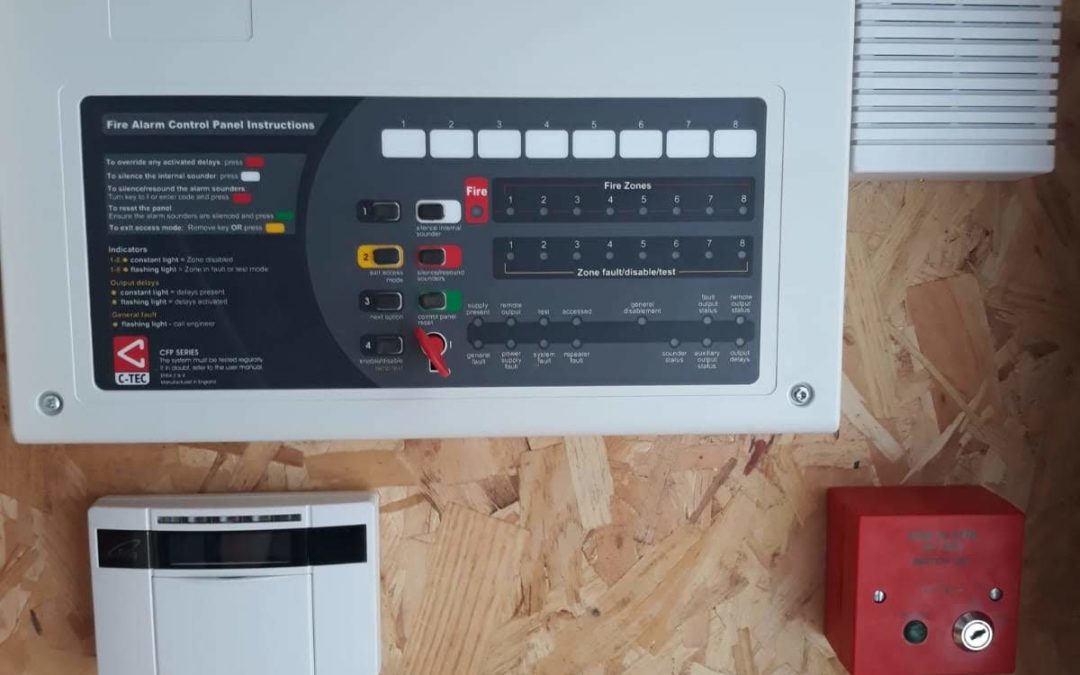
If you do have a fire alarm in your business premises, you must check the fire alarm is working correctly on a regular basis. The national Fire Alarm Regulations state that the business owner must visually check their fire alarm control panel for faults on a daily basis. A weekly fire alarm test should also take place.

You, as the business owner, or a designated member of staff, should test the alarm weekly by activating at least one fire alarm call-point, checking that the alarm sounds clearly and the panel receives the signal. The test must be recorded in your fire alarm logbook, noting the call-points you tested. Your fire alarm panel should then be reset. Any issues you have with your fire alarm during testing should be reported immediately to your fire safety company.

Fire Alarms Need to be Regularly Serviced

Fire alarm servicing is also essential to ensure that the system is adequately maintained. It is recommended that a competent person, such as a qualified security company, carries this out at least once a year and all tests must be recorded in the fire alarm log book in order to comply with fire safety requirements.
If you need additional help navigating fire safety legislation or would like a site survey to determine the most appropriate fire detection and alert system for your business, call us or email to book an appointment.

How to Stop Your Car From Becoming a Target for Thieves

How to Stop Your Car From Becoming a Target for Thieves

How to Stop Your Car From Becoming a Target for Thieves

Car thefts are on the rise: during 2017, around 85,000 car thefts took place in the UK. Figures show that thefts of this type have risen by over 30% in the past three years.

The increase in car thefts means that it is now more important than ever to make sure you keep your car safe and secure, and put measures in place to reduce the likelihood of your car being stolen.

There are a number of precautions you can take to make it harder for your car to be taken by thieves.

1. Keep it Locked

It goes without saying that keeping your car locked and secure is the most important thing when it comes to preventing it becoming stolen. However, it is surprising how many people forget to lock their cars. Always ensure you lock yours and double-check you’ve locked it before leaving it.

2. Keep Your Valuables Away From Prying Eyes

One of the main reasons cars get stolen or broken in to is because the thieves can see valuables on display. It is essential that you keep all valuables, and ideally all belongings, out of sight so that there is no temptation there for potential thieves. Keep any coats, valuables, bags and general belongings in your boot and things like CDs, portable Sat Navs and sunglasses in the glove box.

3. Invest in a Security System

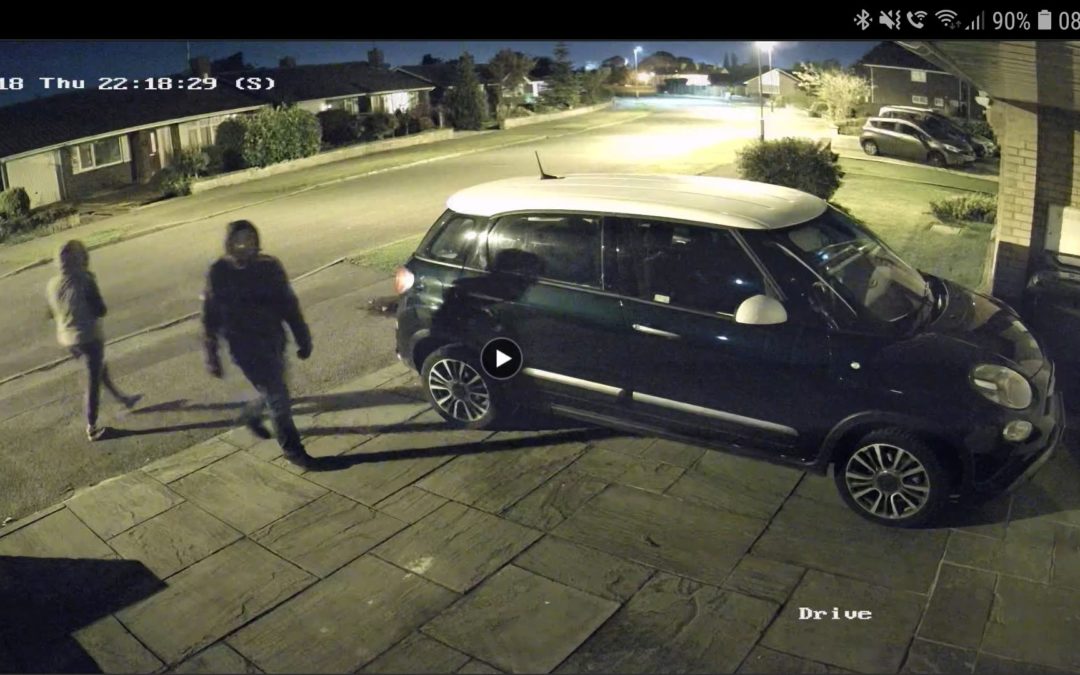
In some cases, motorists will experience their cars being stolen from right under their noses, when their cars are parked at home in front of their house. This is the most worrying kind of car theft and is something that is on the increase. Many thieves will watch the owners of the car they are targeting for days or even weeks before attempting to steal the vehicle, often making a note of habits and routines.

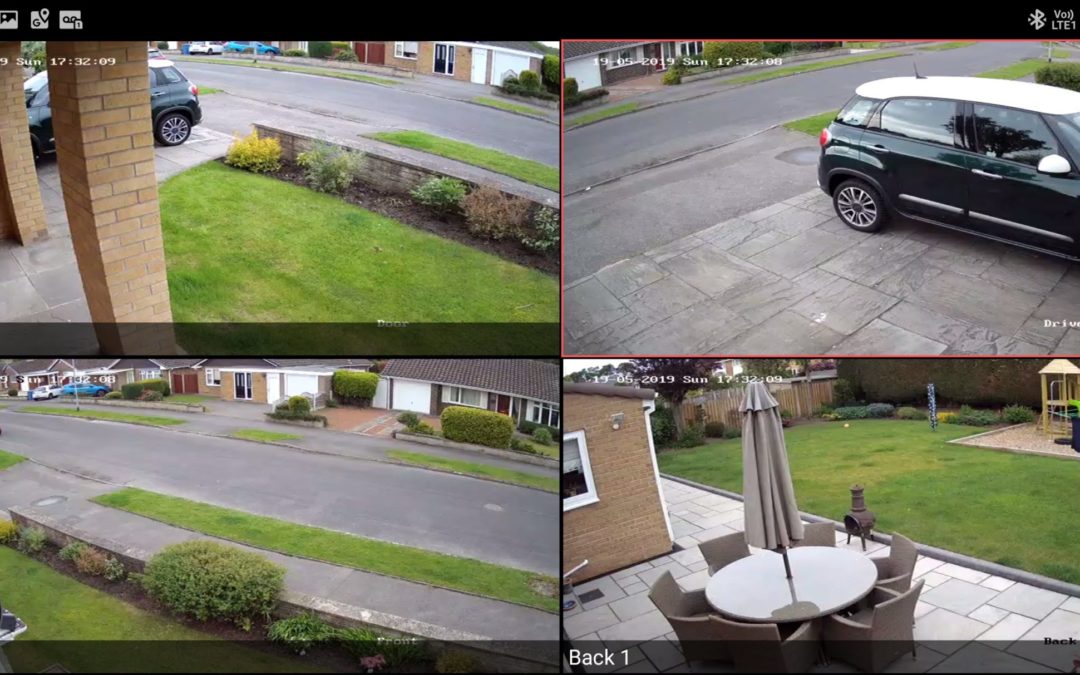
Ensure you do not leave yourself vulnerable to these kinds of thieves by investing in a security system in your home such as a burglar alarm, or a home CCTV surveillance system that will send an alert to your smartphone when movement is detected across your driveway. This will mean you are immediately aware of any potential thefts and can call police immediately.

Do not leave your car keys or handbag near the door of your house as many thieves have begun ‘letterbox fishing’, where they put a pole through your letterbox in order to potentially grab your car or house keys.

4. Park Somewhere Secure

Parking somewhere you know is safe and secure is another absolute must if you want to keep your car safe. When at home, you should ideally keep your car in the garage and when out and about, look for a car park with CCTV in a secure area.